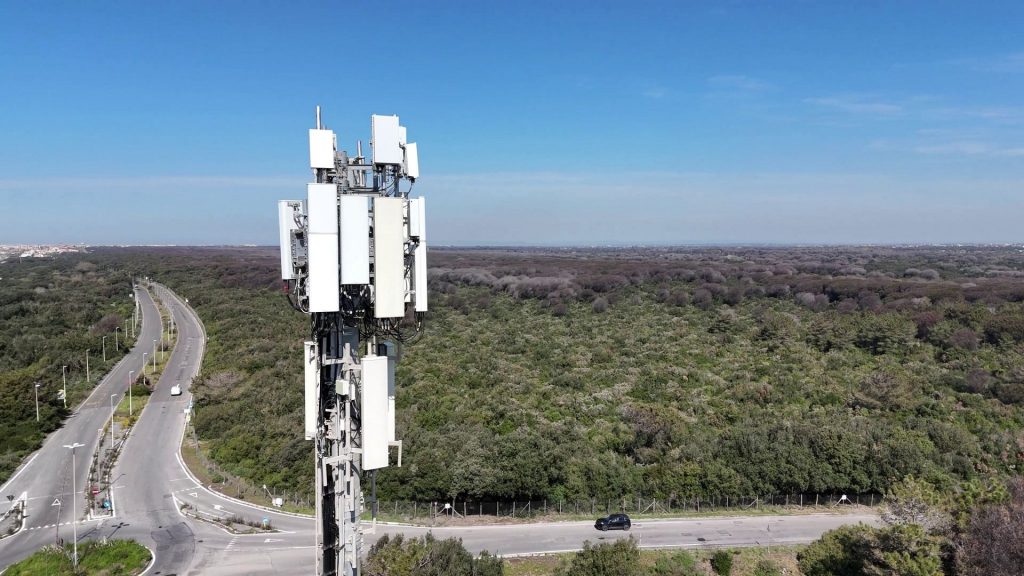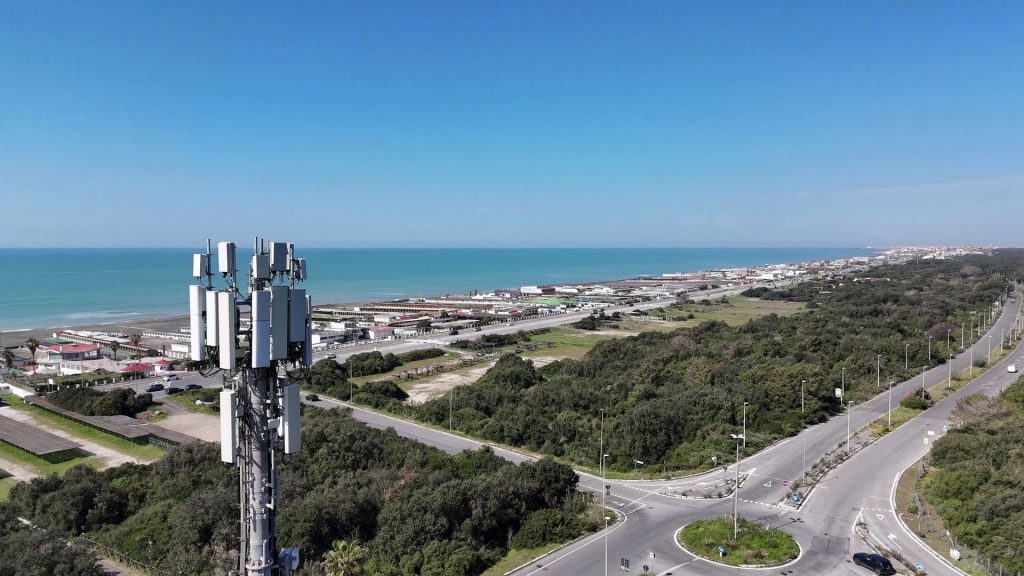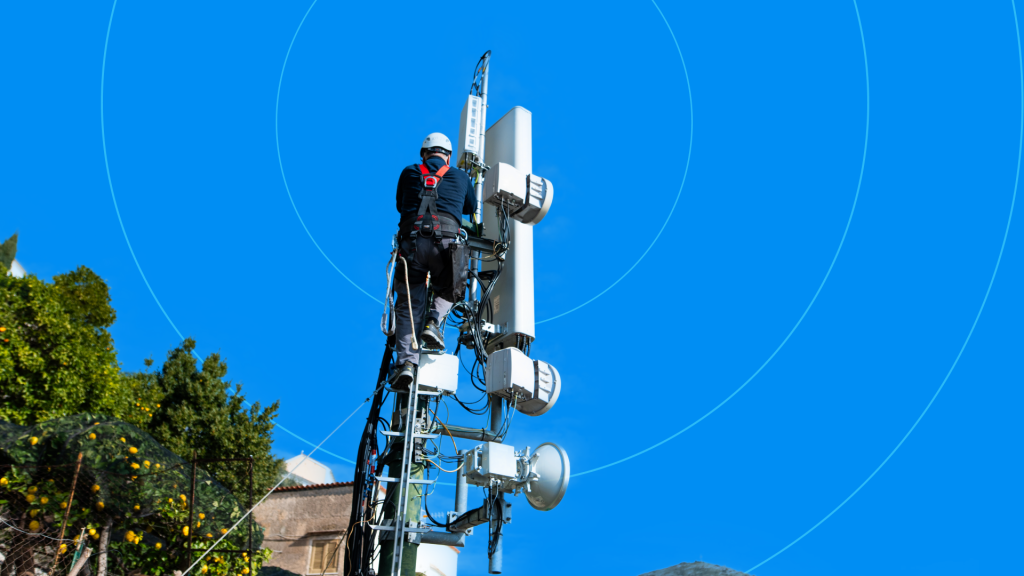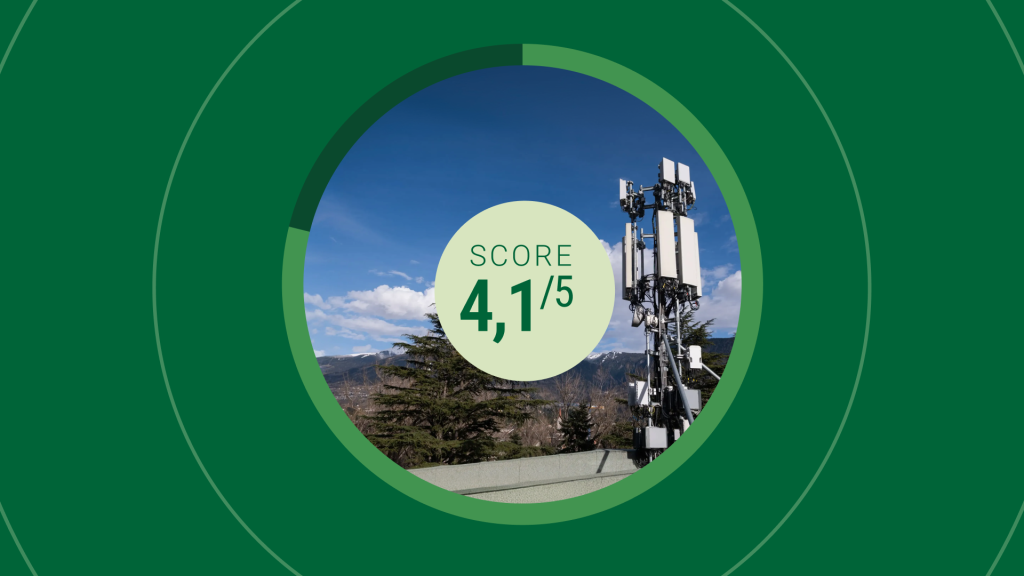

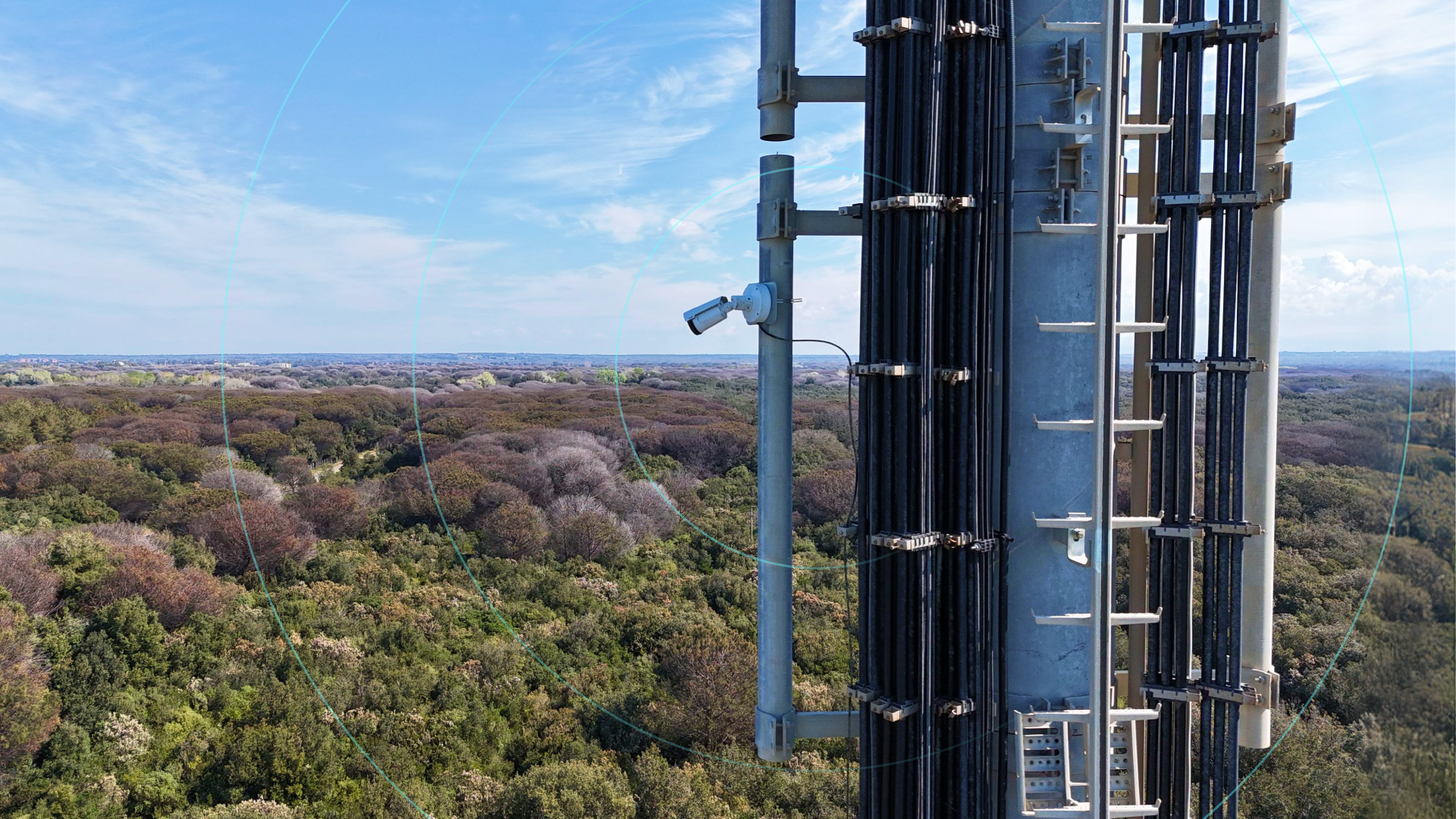
The “MonitoriAmo la Natura” project was presented today during the Le infrastrutture digitali per la tutela ambientale (Digital Infrastructure for Environmental Protection) conference. Developed in collaboration with Legambiente and RomaNatura, the initiative turns INWIT’s towers into biodiversity sentinels.
As part of Legambiente’s national campaign, I Cantieri della Transizione Ecologica (Ecological Transition Sites), INWIT installed dedicated AI-enabled sensors on its towers near the Tenuta di Castelporziano State Nature Reserve. These sensors are capable of detecting early signs of fire and monitoring air quality in real time, thereby generating environmental and social value.
The launch event was attended by Diego Galli, General Manager of INWIT; Stefano Ciafani, National President of Legambiente; Giulia Bonella, Director of the Castelporziano Presidential Estate; Stefano Raimondi, National Head of Biodiversity at Legambiente; Massimo La Pietra, Director of Civil Protection for Lazio; and Roberto Scacchi, President of Legambiente Lazio.
The conference was opened and moderated by Francesco Lojacono, Editor-in-Chief of La Nuova Ecologia.
A twofold objective
The partnership between INWIT and Legambiente is based on the belief that digital infrastructure is not only a driver of connectivity, but also an active tool for environmental protection.
Furthermore, as recently noted by ISPRA (Italian Institute for Environmental Protection and Research), in 2025 the total area affected by wildfires in Italy reached 965 km² – a figure that is almost double the estimates recorded for the whole of 2024 – with Sicily, Calabria and Campania alone accounting for 71% of the total national forest area affected by fires. ISPRA itself has emphasised the need to invest in prevention and rapid response.
The INWIT and Legambiente project therefore has a dual objective. On the one hand, in the immediate future, to strengthen the local area’s resilience to wildfire risk, a constant threat to ecosystems, particularly in summer. On the other hand, in the longer term, to build an air quality database in order to analyse trends, identify any critical issues and encourage public and private bodies to take corrective measures.
Artificial intelligence for fire prevention
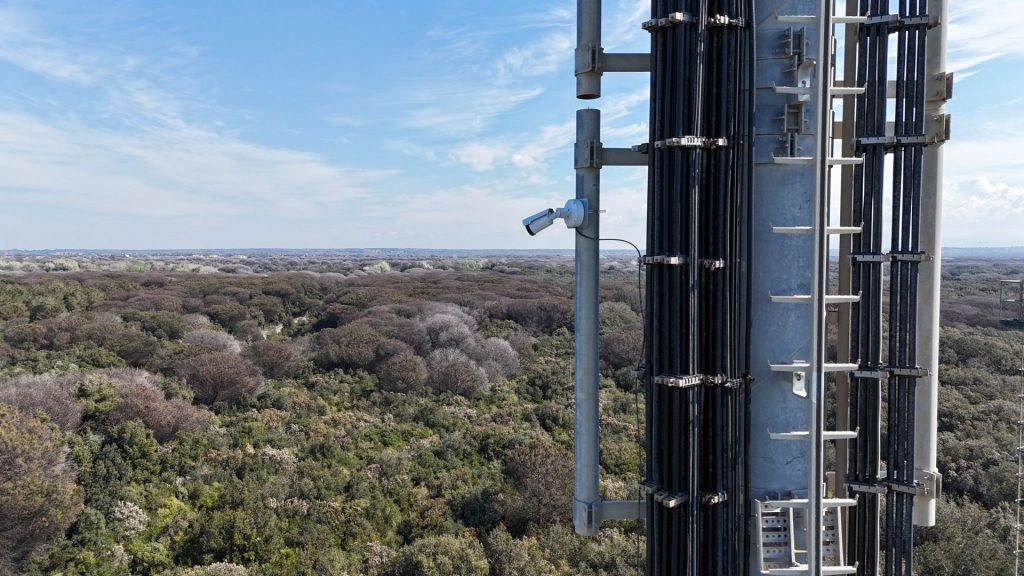
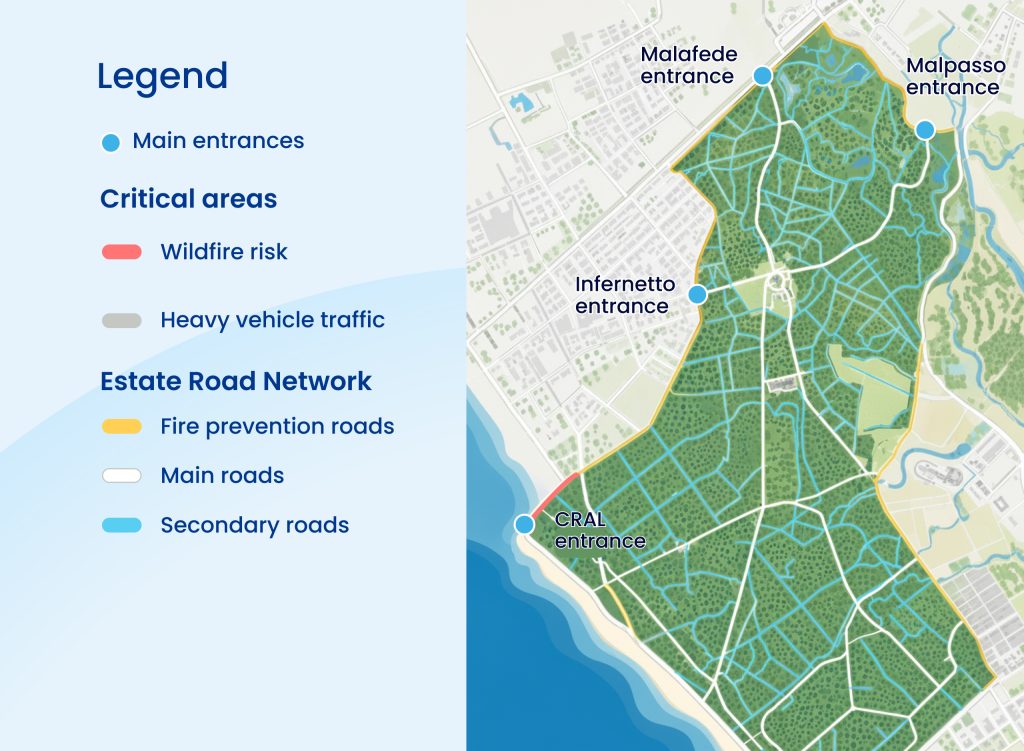
In woodland and natural areas, every minute counts. This is why the video surveillance system installed on INWIT’s towers and equipped with artificial intelligence software can continuously capture and process images, promptly detecting potential anomalies and the early signs of fire, and distinguishing signals according to their intensity.
Should the system detect a significant anomaly, an immediate alarm is triggered and forwarded to the operations centres: this helps to prevent incidents from escalating – whether accidental or caused by negligence. In this way, it enables critical situations in protected areas to be averted and safeguards valuable woodland resources.
All this is possible thanks to the widespread coverage provided by the INWIT towers, with one every 3 km on average. If a potential threat is detected, the system immediately sends an alarm to a “site gateway” – a small computer installed on the tower – which forwards the alert to the relevant authorities to ensure a prompt response.
Thanks to their strategic elevated position, these cameras can monitor vast areas, detecting fires up to 5 km away, even in difficult environmental conditions.
“This is a model that can be replicated straight away. The towers are already widespread throughout Italy and can serve as digital platforms capable of housing sensors, cameras and other innovative tools and technologies that contribute to safety and sustainability. At a time when climate change is making extreme weather events and wildfires increasingly frequent, using digital technologies to prevent risks and protect the local area is no longer just an option, but a necessity”
Diego Galli, General Manager of INWIT
IoT technology for air quality monitoring
INWIT towers do more than just monitor; they are true analysis laboratories. Thanks to the installation of dedicated IoT monitoring units, INWIT’s digital infrastructure monitors air pollution in sensitive natural areas in order to identify potential critical issues and encourage targeted action. Each monitoring unit is capable of measuring up to 14 different environmental parameters: key pollutants such as nitrogen dioxide (NO₂), ozone (O₃), carbon monoxide (CO), sulphur dioxide (SO₂), hydrogen sulphide (H₂S) and fine particulate matter (PM1, PM2.5 and PM10); greenhouse gases such as carbon dioxide (CO₂); and weather parameters such as temperature, humidity, atmospheric pressure, light levels and ambient noise.
A model that can be replicated nationwide
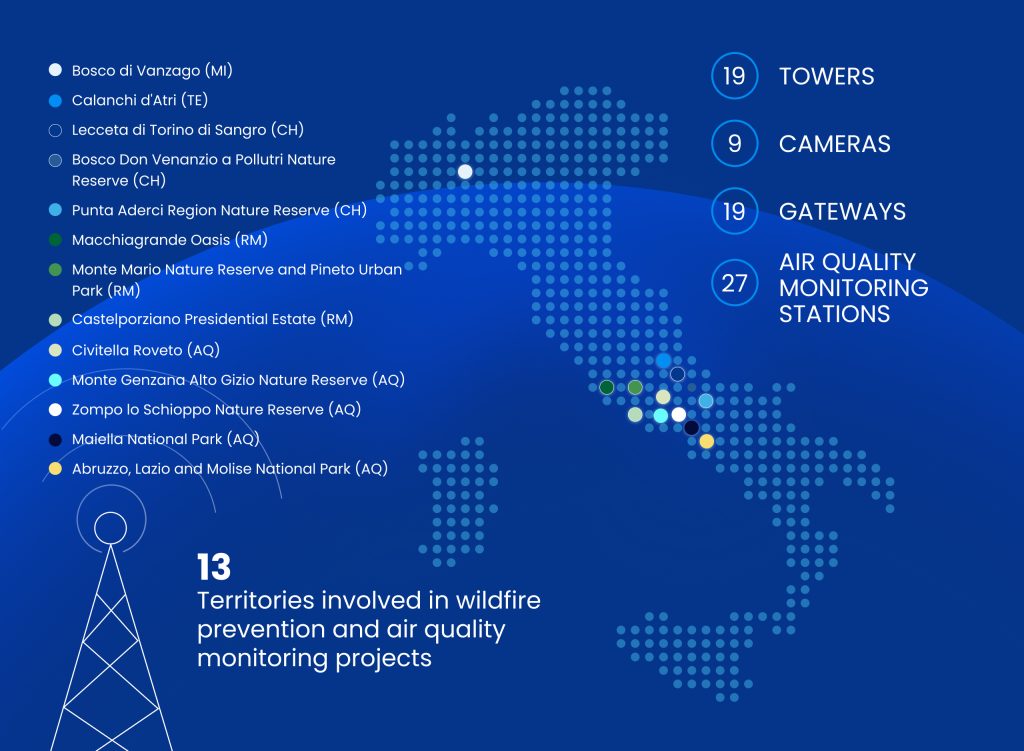
“MonitoriAmo la Natura” is not an isolated project: it is a model already in operation in numerous areas of natural beauty across Italy, which can be replicated throughout the country, and demonstrates how digital connectivity infrastructure can play an active role in the ecological transition, by transforming every tower into an environmental monitoring and safety hub that serves communities and ecosystems.
Thanks to this vision, infrastructure designed to connect people becomes a key enabler of sustainability and territorial protection, generating shared value for the environment and local communities.